This page is a resource for people interested in varieties of Seminole pumpkins and their genetics.
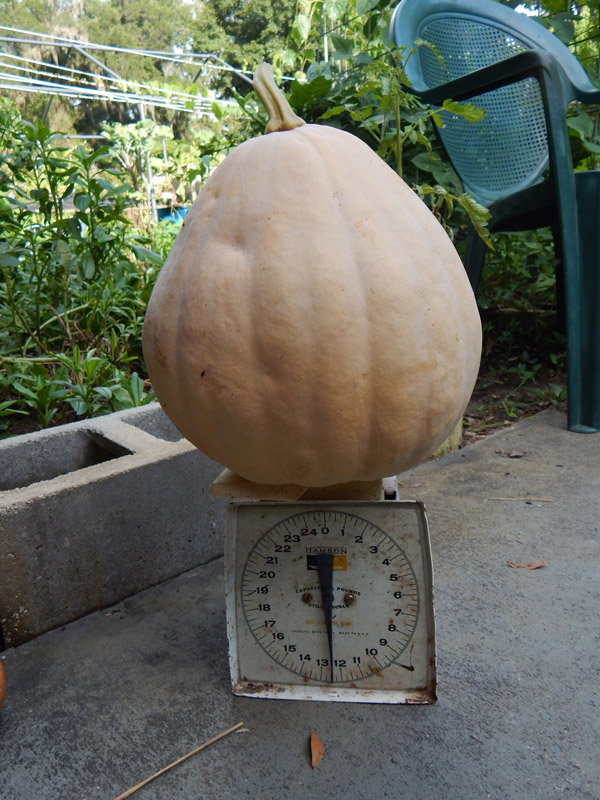
Over the last few years I’ve noticed a lot of difference in squash varieties named as types of Seminole Pumpkin. The line I’m growing is of unknown origin and routinely bears large, light tan and very sweet orange-fleshed fruit averaging 6-10lbs per pumpkin. Most are roughly round, some pear-shaped.

One of my Seminole pumpkins (in back) beside others.
For reference, I’ve started collecting photos and details on the various lines, trying to include sizes, seed-sellers, growers, locations and whatever other data is submitted.
This is an ongoing project – if you are growing Seminole pumpkins, please submit your photos and all the information you have on their origins.
Seminole Pumpkins are a part of Florida’s heritage and are worth breeding, maintaining and sharing!
Seminole Pumpkin(s) #1: Faith Carr (Gainesville)

NOTES: Faith writes “2013 – Mine were pretty consistent as to type – From the 2013 Southern Heritage Seed Collective* – Spring/Summer Distribution.”
Interesting green and spotted mottling on these.
Seminole Pumpkin(s) #2: Shon Law (Longwood)

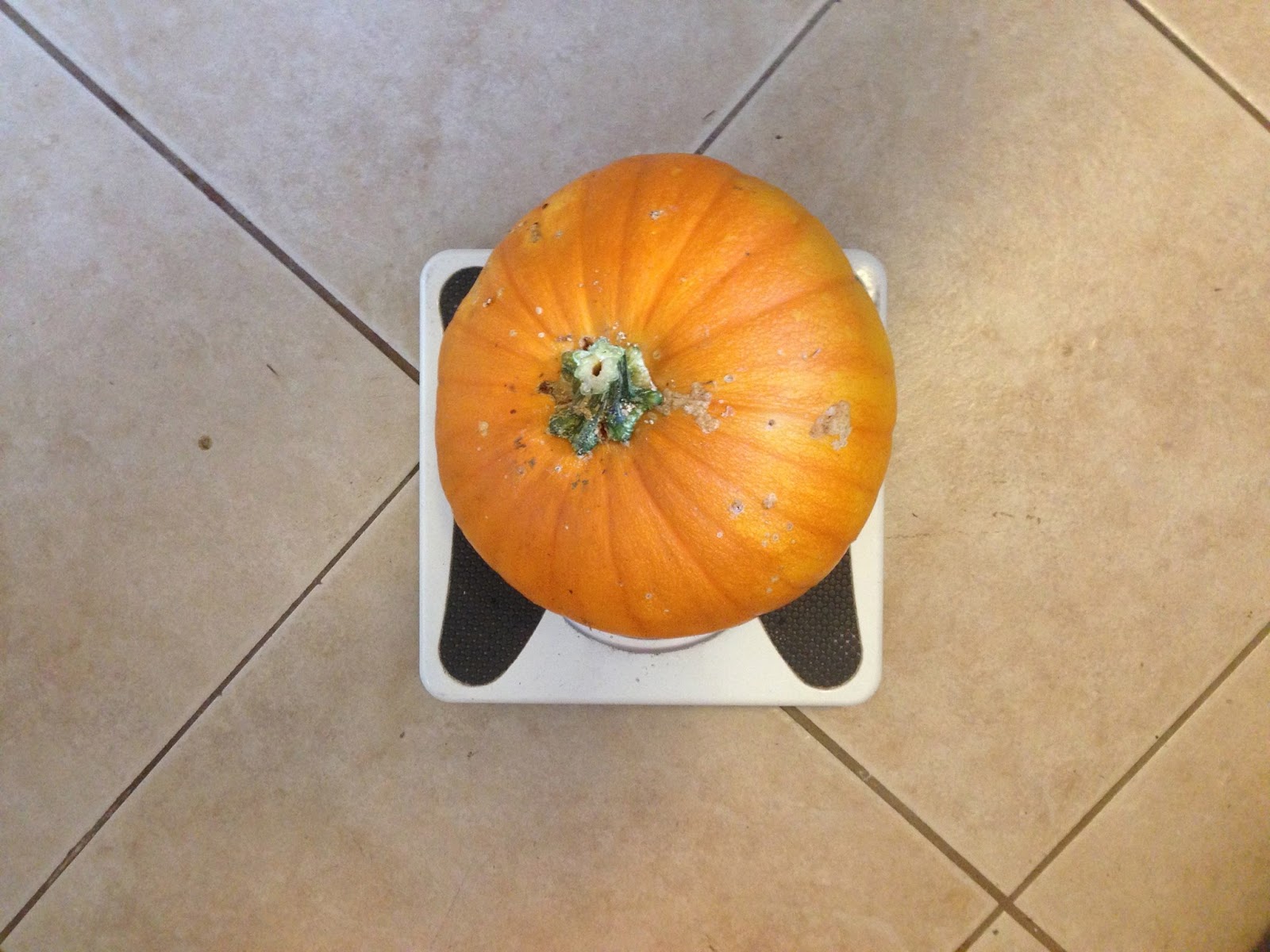
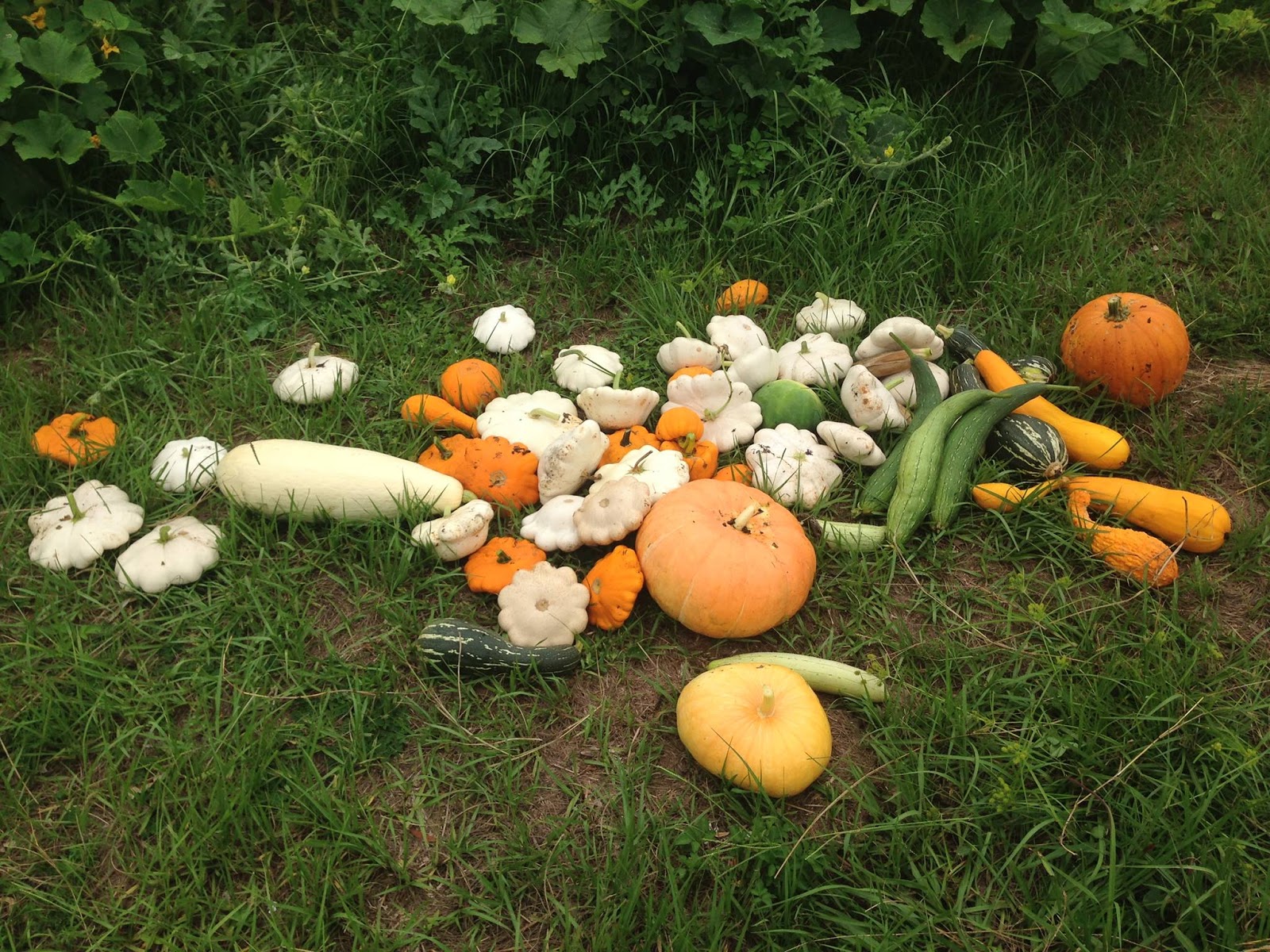

NOTES: Shon writes “I’m not that sure about my pumpkin varieties. Here’s a bunch.”
Looking at this selection and the top two orange specimens, they seem to be C. pepo and C. maxima varieties, not C. moschata as a true Seminole pumpkin would be. Note the thicker stems without the deep scalloped indentation common to C. moschata.
Seminole Pumpkin(s) #3: Kelly Carvallis (Gainesville)
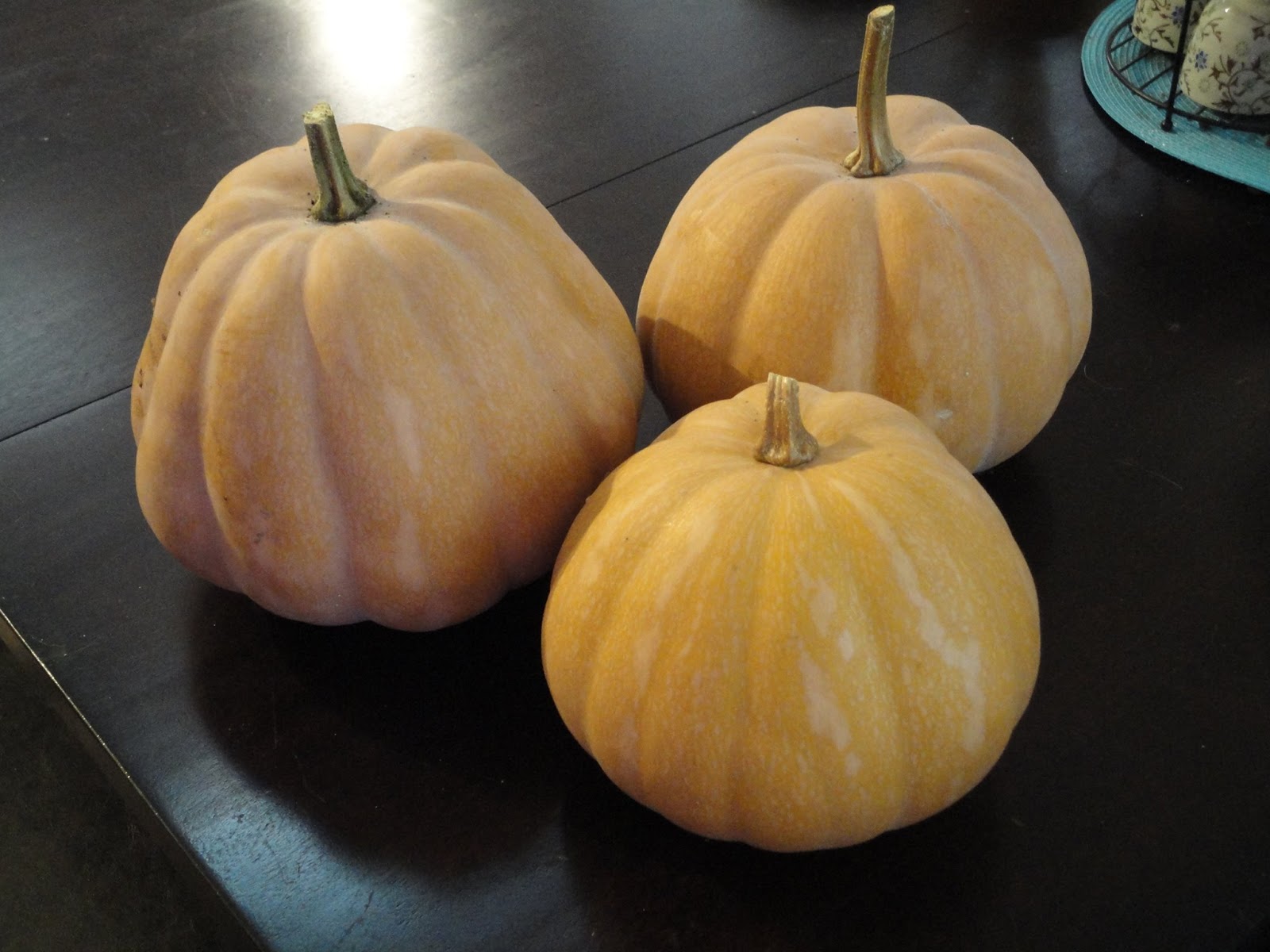


NOTES: Kelly writes “1st
were 2012 batch from seed library, the 2 following were 2013 saved
seed, skipped 2014 and this year is a volunteer from who knows where…”
These have a bit of white patterning on the fruit that some Seminole Pumpkin cultivars lack. They also exhibit good-sized fruits.
Seminole Pumpkin #4: Alex Ojeda (Jacksonville)
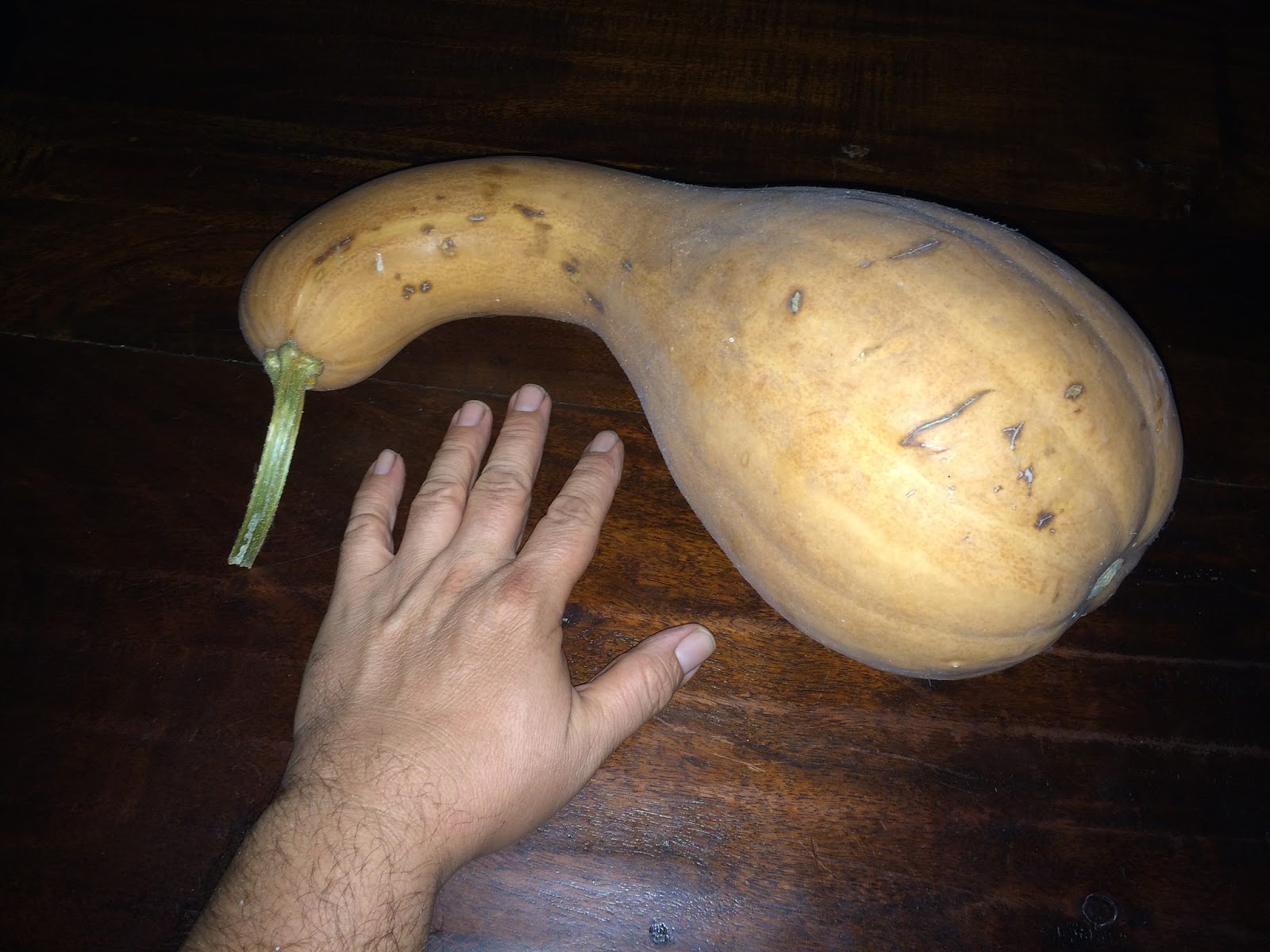
NOTES: Alex writes “I planted Seminole pumpkins last year (2014) and this is what I got. Does it look like anything any of you are familiar with? Two possible choices here. I have a Seminole hybrid itself with another squash somewhere or I
got my home grown seeds confused with something else. Whaddaya think? I’ve never gotten these before…”
Possibly a cross. Joe Pierce in Micanopy (owner of the Mosswood Farm Store) also has lock-necked types in his garden as of 2015.
Michael Adler, formerly of the Edible Plant Project in Gainesville notes in regards to long-necked types: “EPP
once sold a batch of seeds that had crossed with neck pumpkins, because
we ran out of seeds we knew were uncrossed. Sometimes it’s hard to
find enough seeds to distribute. Now there are necky Seminoles running
around in the community.”
This variety could be worth inbreeding to create a new line with thick necks, comparable to the good flesh to seed cavity ratio found in butternut cultivars but with Seminole Pumpkin vigor.
Another specimen given to me by Alex was a much smaller non-necked pumpkin similar to those I’ve seen at the Marion County Extension:

Seminole Pumpkin #5: Andi Houston (Gainesville)


The green-skinned types can be found in online photos; however, Andi’s is the first one I’ve seen growing in this area.
Seminole Pumpkin #6: Ariana Rollins (Anthony)


NOTES: Ariana writes “They came from you (David The Good).” Crop of 2013.
These seeds originated at the Edible Plant Project, not from my personal unknown line. I shared a packet I had acquired in 2013. Definitely the smaller buff strain. Similar to those I’ve seen shared at the Marion County Agricultural Extension.
Seminole Pumpkin #8: Mart Hale (Summerfield)
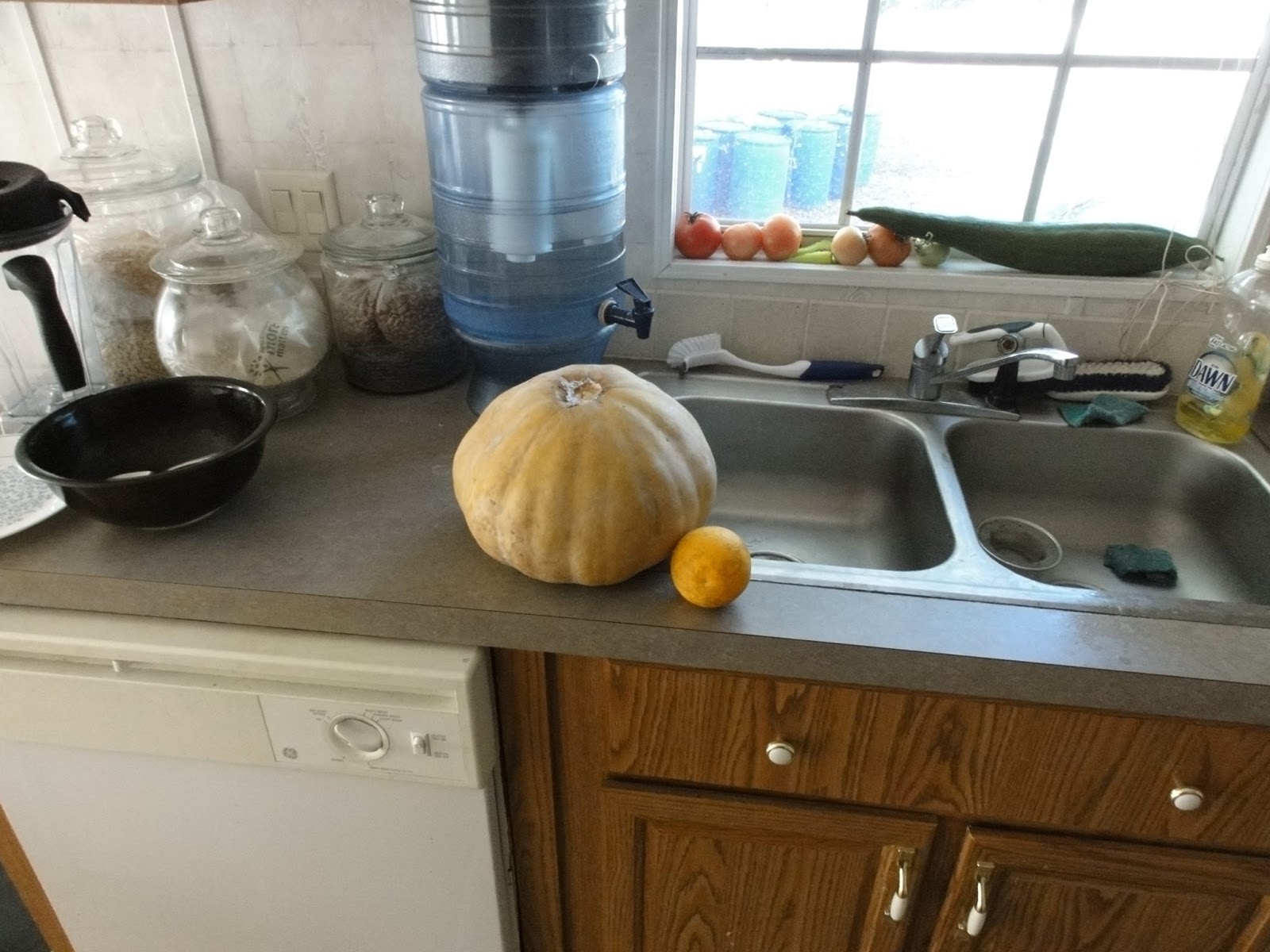
NOTES: Mart writes “They are amazing. And ya the genetics are wild at times.” Seed source: Just Fruits and Exotics.
Mart’s pumpkins are similar to my line; however, they often exhibit some white blotching and spots.
Seminole Pumpkin #9: David The Good (Sparr)


Seminole Pumpkin(s) #10: Lynn Dufour (Oklawaha)

326 ) seeds from top one planted now and doing well…both weigh in around 10-12 lbs (weigh way more than gallon of water, for sure).”

Seminole Pumpkin #11: Ola Lindefelt (Miami)

guy, I believe, crossed with a calabaza growing in the vicinity. The
original Seminole from BC, and the calabaza from a friend (heirloom
source) in Miami.”
Seminole Pumpkin(s) #12: Linda Krausnik (Ocala)


Seminole Pumpkin(s) #13: Rick (Summerfield)


Seminole Pumpkin #14: Edible Plant Project (Gainesville)

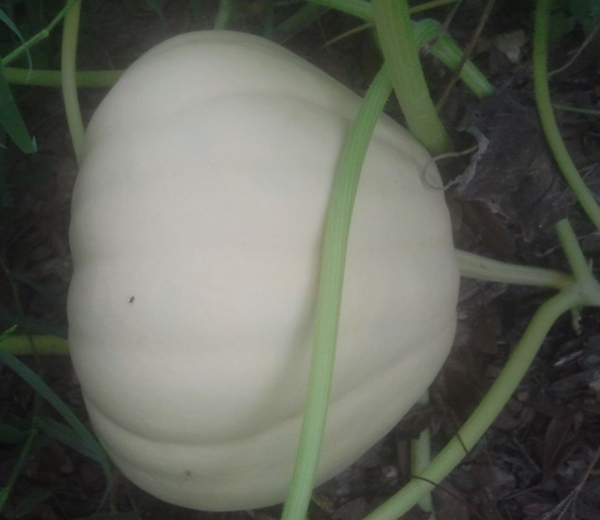
NOTES: Purchased at the Union Street Farmer’s Market for a ridiculous $10. Vendor told me seeds originally came from the Edible Plant Project. Larger than some of the ones I’ve seen but not as big as Mart Hale’s or my line.
Seminole Pumpkin(s) #15: Jennifer M. (Brooksville)
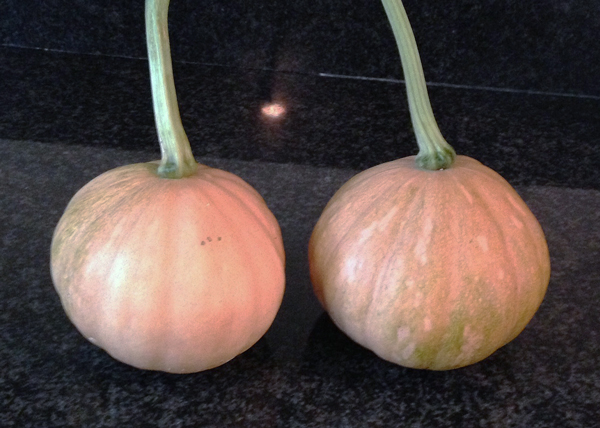
NOTES: Jennifer writes “Here are a couple of the pumpkins I grew last year in Brooksville. I purchased the seed from Southern Seed Exchange and they performed great. I am growing more this season from seed harvested from last years pumpkins as well as the remainder of the seed packet from Southern Seed, so we’ll see how they compare.”
Seminole Pumpkin(s) #16: Lyda (Ft. Lauderdale)


Seminole Pumpkin(s) #17: Robert S. (Titusville area)

NOTES: Robert writes “Here’s what I’ve picked so far. These 5 are a combined weight of 11 pounds. The biggest one is 4 pounds. Got one more on the vine that’s even bigger, it needs a few more days. All this off of one main plant that has run 30+ feet. Unfortunately this blasted early heat wave is dropping all of my blooms right now so not sure when I’ll get any more. Seeds originally came from Baker Creek Heirloom (rareseeds.com) two years ago. This years plants are from seeds saved from those original plants. These pumpkins are quite a bigger bigger than what I got last year. I’m thinking they’ve crossed with something else? I’ve had Acorn Squash growing in the vicinity…… Hope this helps with your project.”
Seminole Pumpkin(s) #18: Dan and Stephanie F. (Jacksonville)
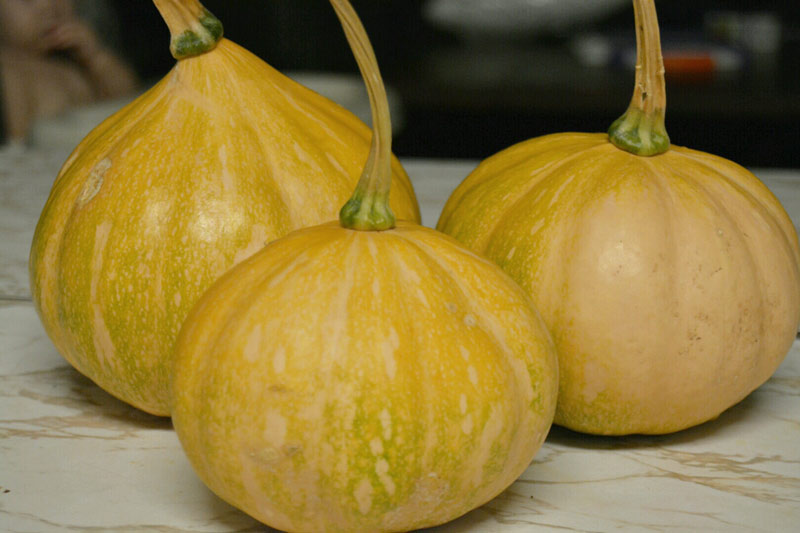
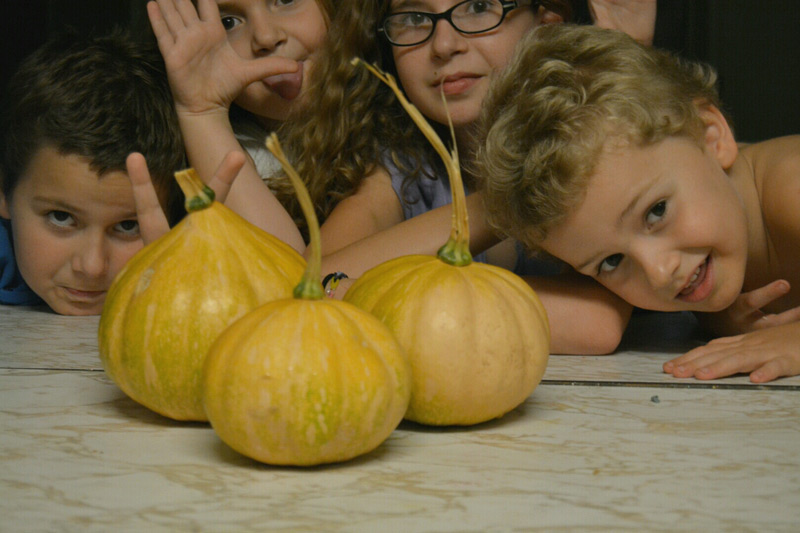 NOTES: These look like the common small type I’ve gotten from the extension office. Dan reports that the vines went “crazy,” which fits the vigor reported by all Seminole pumpkin growers. The one thing that looks different on these is the bunny ears on the pumpkin to the far left. I haven’t seen bunny ears on a Seminole pumpkin before – perhaps it’s a trait worth breeding for.
(Dan also writes “My kids have watched the water chestnut video so many times. They think you’re hilarious. I save your site until last everyday when I do my internet browsing. Saving the best for last.”)
Thanks, Dan – I really appreciate it. I love seeing children that are interested in gardening.
Seminole Pumpkin(s) #19: Gene Smith
(Greenville, SC)
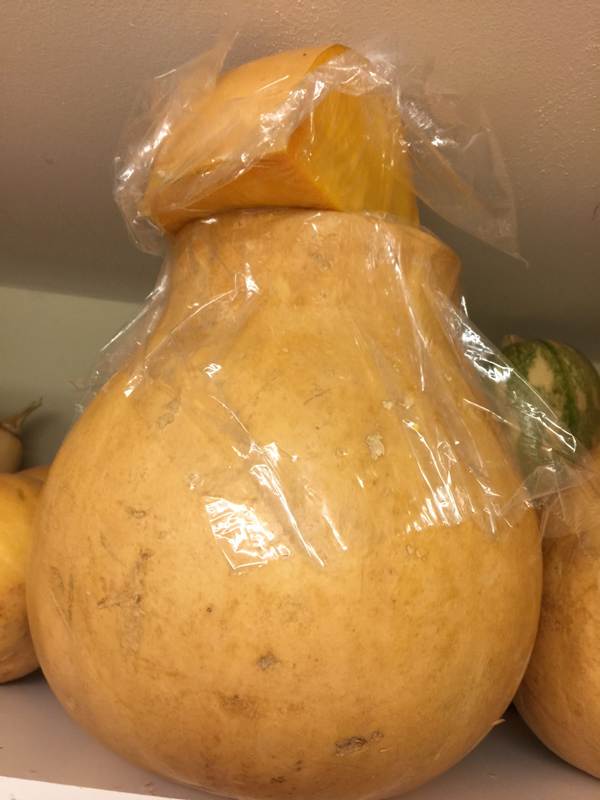
Gene writes: “I grew out a butternut/Seminole cross this year from 2014 seeds from Twin Oaks seed farm in Virginia, I think they were f4 generation. They had a lot of variability, some neck pumpkins up to 16 lbs, some butternut shapes and some with long necks. Good taste! The important thing to me was they were totally resistant to Downey mildew, probably because they out grew it, vines were huge! I’m in Greenville SC, not Florida. I bought them from a coop, Seedwise and have saved some seeds, plus will order the F5 from them for 2016. The green ones are Geramoun Martinique from Baker Creek, the rest are butternut/Seminole cross from this summer. The cut one weighed 16 lbs.”
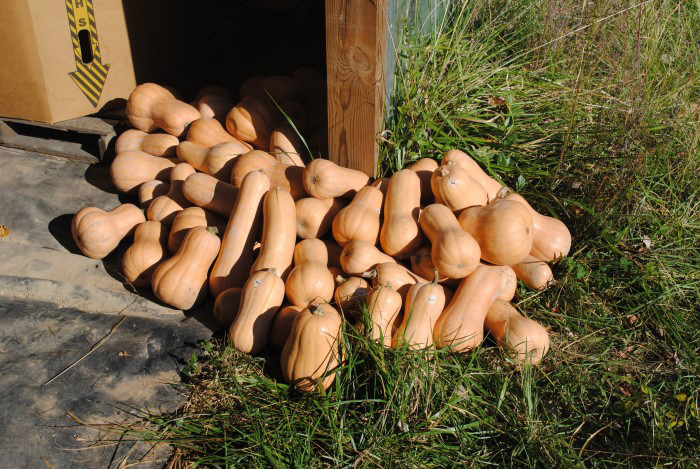
Here are the green Geraumon Martinique pumpkins Gene also grew:
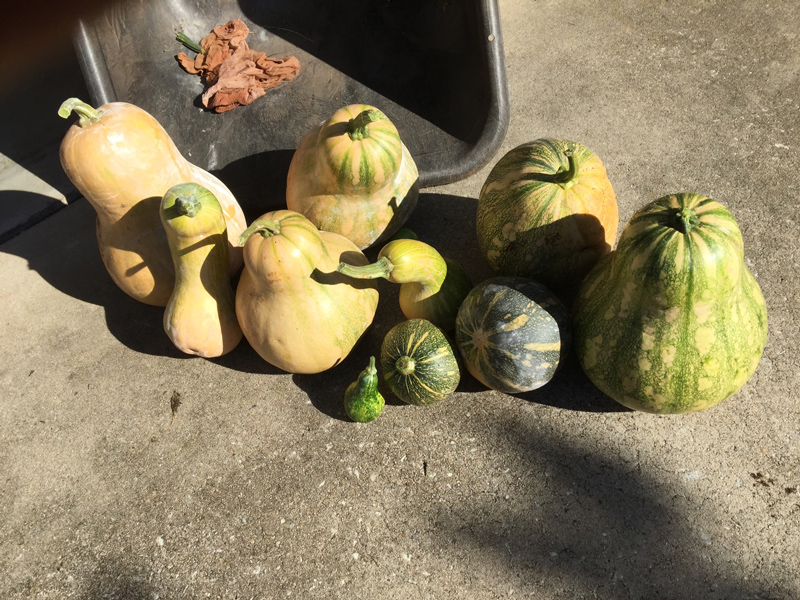
Seminole Pumpkin #20: Darlene
(Kansas)
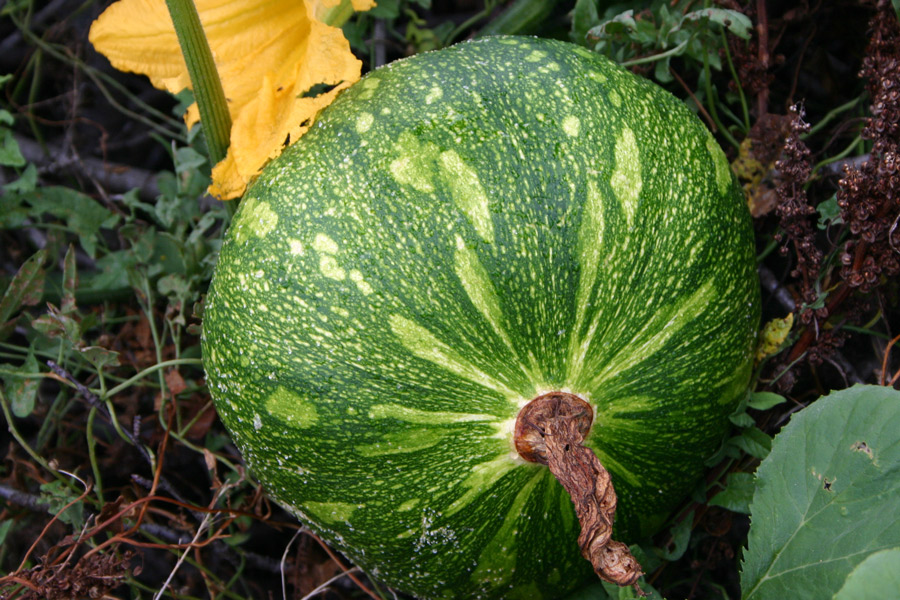
Seminole Pumpkin 21: Robert Harbuck
(Ormond Beach, FL)
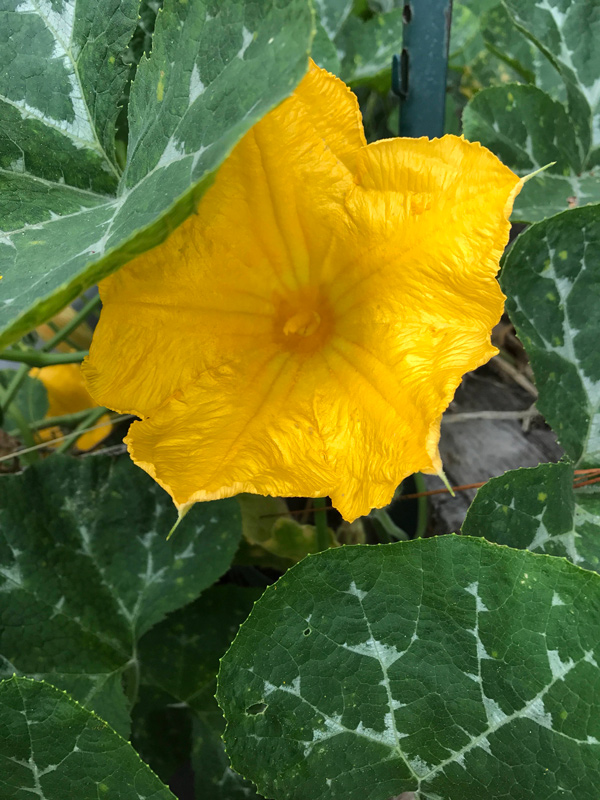
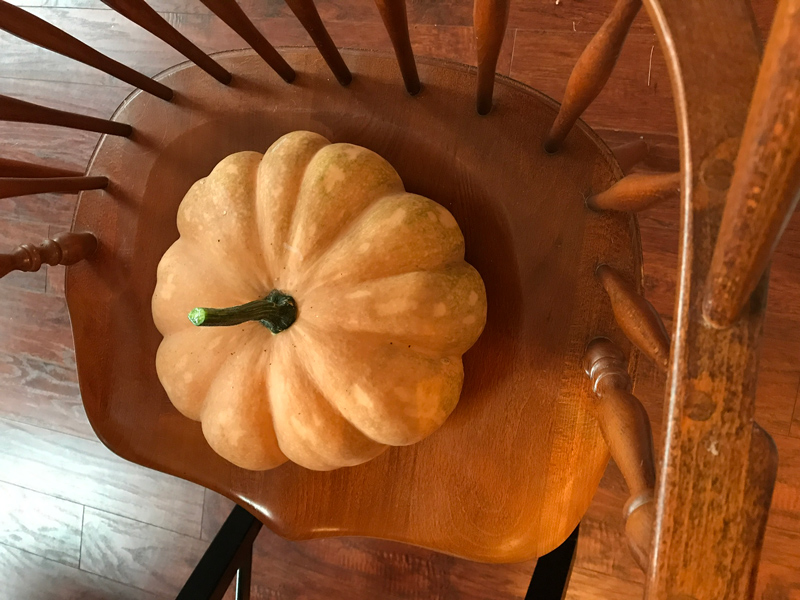
Seminole Pumpkin 22: Corey Ellerbe
(Polk County, FL)
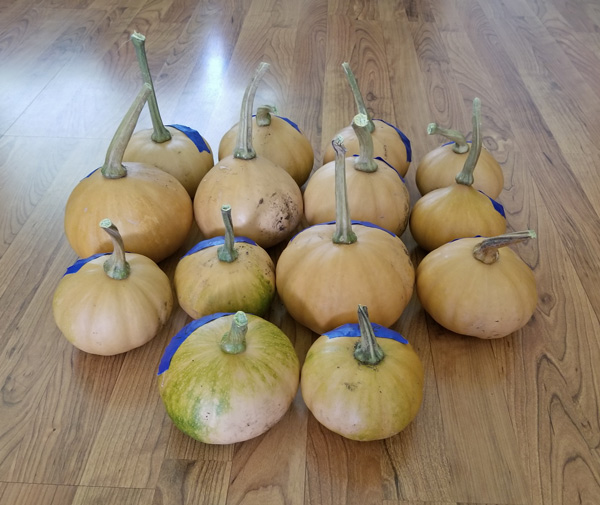
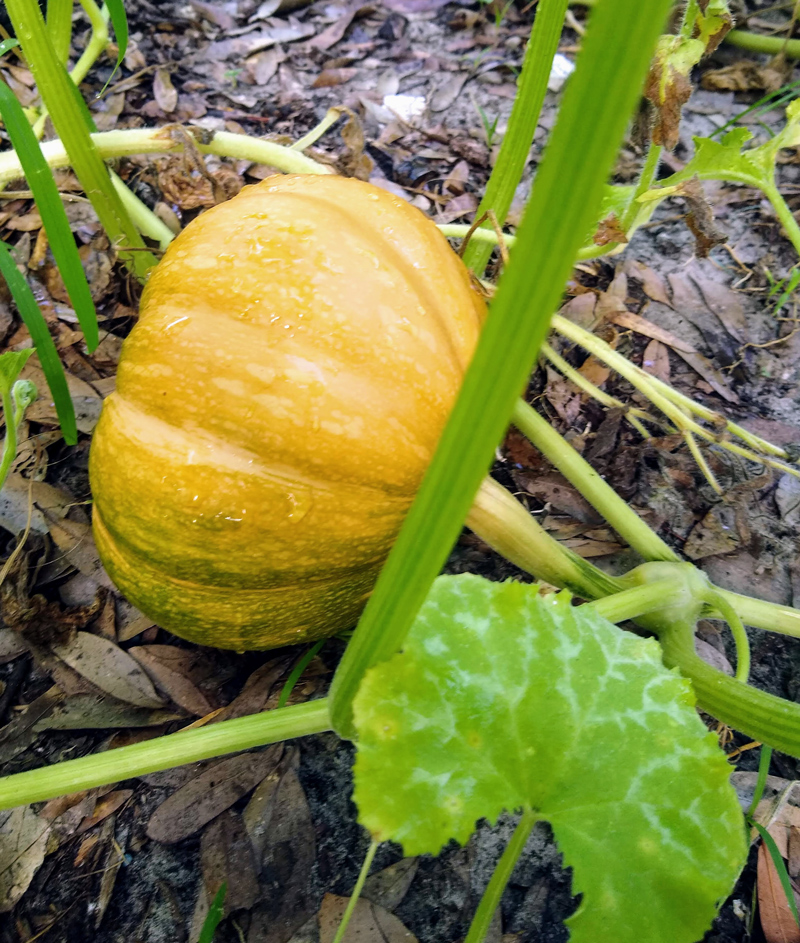
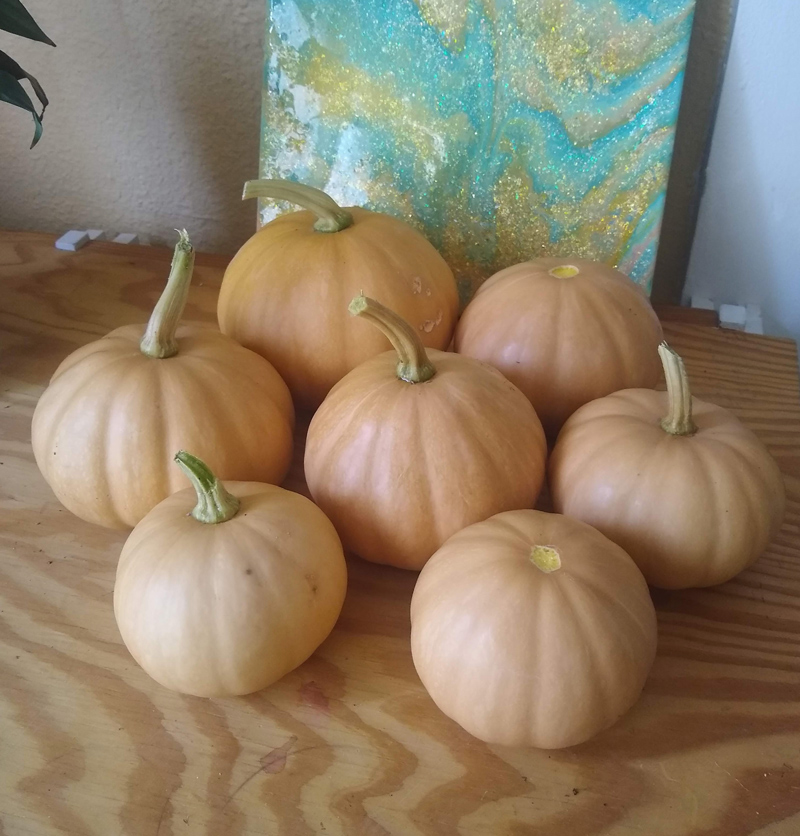
Seminole Pumpkin 23: Oliver S
(Deland, FL)
Oliver writes: “Hey, here are some photos from my Seminoles this year for the Seminole Pumpkin Project!”
119 comments
This year I was able to get an early start on my Seminole Pumpkins. Many of them have already lost all of their green and are that orange-brown color. How do I know when to harvest them to allow the others to mature? (And hopefully produce more.) Last year I just harvested what I had of the dead vines. Thanks!
Congratulations! I harvest them when the pumpkin stem turns yellow. Clip and leave a couple inches of stem, if possible, without hurting the main vine. Then leave your harvested fruit on the counter for a few weeks to sweeten up for the best flavor.
Thanks for the tip! I've been letting them cure. Can't wait to bake them up.
I am incredibly disappointed in my pumpkins this year. They just started fruiting now in the highest pest-pressure month of the whole year. I don’t know if I’ll get any mature fruit or not this year.
They may surprise you and do a good round this fall. Mine tend to produce in spring, then it gets hot and they drag, then they kick in again until freezes.
This is my first year growing Seminole Pumpkins (planted in early Spring) and while the vines have gone insane and are huge and sprawling I’m not getting a bit of blooms or fruit. I have composted them. Is this delay normal? Also, could I plant some now or is it way too late in the season? Thanks a bunch!
No blooms at all? Could be a: too much nitrogen or b: not enough direct sunlight. They do take a while to get kicking, but this is quite late for them to still go without fruit. You could try another round if you’re south of Orlando, north of Orlando it’s probably too late.
So I meandered out to check on the vines and lo and behold they are flowering! A lot! I figure they heard me telling on them so they got busy. :)
I am directly west of orlando-straight across for the most part. Think I got a chance planting again?
And thanks for the response!
Try again – you have nothing to lose but a few seeds. Congrats on the blooms! May they bear in profusion.
My pumpkins are smaller and definitely go tan not orange when ripe. They have the common pumpkin shape with an occasional ‘peared-out’ ringer. Many of the odd ones above sure look like the parents met a cute butternut squash or C. pepo pumkin on a date. The mottled ones ones in #5 are dead ringers for the Costa Rican Calabaza you see in the grocery stores. Varieties of squash and pumpkin have to be about a half mile away from each other to avoid cross pollination if you want the seed for next year rather than for roasting.
Yes – I believe there’s been a lot of crossing going on.
I’m Tampa (northwest Hillsborough County) and started my seeds in late July. They were pass-alongs from a plant that produced smallish buff-colored pumpkins. I’m now getting my first, tiny pumpkins and was surprised to see today that the first of these, a little bigger than a cat’s-eye marble, has already turned yellow with large black spots.
The vines are vigorous with lots of blooms, though they’re in sandy soil that isn’t well amended. I’ve been fertilizing with fish emulsion and they get full sun. Any thoughts on what’s going on and – more important – what I can do about it?
Thank you! (I can send a photo of the pumpkins from the mother plant & get info on the origin of the seeds for your genetics project.)
That little one was likely not fertilized or perhaps rotted due to the humidity. The rain is rough on them, too. Keep doing what you’re doing and hope for the best. Next year plant in March – they’ll do much better. Thanks for stopping by.
So happy to see how many people are growing Seminole pumpkins. I had no idea there were so many variations. An article from the 70s by a Julia Morton said there were at least 3 different varieties. I’ve been growing the “Ingram Billie ” variety which originated in the big cypress area. They resemble those shown in photos 17 and 18. They are delicious and nutritious !!! The hundreds of pumpkins I’ve grown came from one plant given to me as a gift about 10 yrs ago. My garden is very isolated so cross pollination isn’t an issue. Very little variations in size or shape. Thanks for going to the effort to get this information out there. Very important crop for Southern growers yet so many folks have never heard of them.
Thank you, Trisha. Great comment – thanks for the additional info. If you get a chance, please send photos of yours!
Got Seminole pumpkin seeds from BC in 2014. I grew one plant in a 20 gallon container on my 700 Sq ft rooftop. It nearly covered my entire rooftop, I had to keep cutting it back to let my other veg have a chance. It put down roots in 2 other containers also. I ended up with pumpkins just like pic #17, maybe a little smaller. I thought they were just small because they were grown in containers but it looks like I have the small variety. I have plans to cross it with a larger variety, maybe a honey pumpkin I got from China. They are more elongated, incredibly sweet and have the same buff color. Can’t wait till next year :) I will also protect a few blossoms so I can keep my Seminole pure for seed. Thanks for all the info about this strain.
That’s marvelous, Matthew. I love interbreeding lines and seeing what happens. “MJ’s Honey Seminole” has a ring to it.
I’d love to post a pik but I’m a bit of a dinosaur and haven’t quite figured that out.
But… If you’ve seen the Growingyourgreens YouTube video about the Seminole pumpkins, John Is holding one of my pumpkins in front of my booth at the Palm Beech Gardens market It’s a couple videos under yours I’m on a bit of a mission to get people growing these wonderful pumpkins Thanks for getting the word out !
Just read your post bout selling your place
Best of luck The pumpkins will do better further south :)
Hi Trisha, I saw you on John’s video and contacted you. You graciously gifted me seeds in 2019. I planted two this year and have two pumpkins on one vine. Thank you and I am going to pay your generosity forward by sharing seeds.
This is the second year I’ve planted Seminole pumpkin, the seeds of which I bought from Baker Heirloom. They grow well in our central Fl. soil ( near Zephyrhills) and are gorgeous plants. The vines take over so it’s best to grow near a tree. The first one I ever harvested was hanging out of an orange tree. They are very sweet and delicious and keep well.
Thanks for the report. Out of an orange tree – love it!
Wow, ran across this site by chance. I grow pumpkins in California. A friend gave me some seed that we did not know the variety. I am sure they are a variation of Seminoles. Different taste than the Baker Creek variety. My favorite eating pumpkin to date( I grow 60 varieties)
Wow – you are a dedicated pumpkin grower. I’m obsessed with them and their variations. Thank you for stopping by – hope you come back and share some of your successes.
Hi David…..I found your site a few weeks ago and so enjoy your sharing of stories, life, etc. I got your Food Forest book from Amazon (I think that is where I got it…..I’m old….fading memory) and love, love, love it :) My husband and I live on 10 acres in Fellsmere, FL and have been planting, harvesting, fighting the bugs, heat and rain for about 8 years now. I consider the statement “making progress” about the best I can do when it comes to any question about how things are going on the “farm”. We do have a like minded community here in Fellsmere and more and more people seem to be pursuing a self reliant life style. Fellsmere now boasts a farm raised, organic shrimp farm as our newest commercial entity but there are so many small agricultural “businesses” here. I just wanted to introduce you to our special area just in case you never heard of it. I was interested in your site because you were giving all kinds of good advice about our unique Florida environment and appreciate all the information you pass on :) I want to grow Seminole Pumpkins this year. I am looking for seeds that have been grown in my area. Should you happen to know of anyone that I can buy seeds from would you share that information also? Good luck on selling your property and moving further south…….ummmm…..just in case you forgot……it’s hot David……it’s really, really hot David. And there are mosquitoes……lots of mosquitoes…….
Hey, Mitzi! I’m less than 10 miles away from you….and I got some Seminole Pumpkin seeds from folks right there in Fellsmere….Byron Ashby of Three Wise Acres. They sell peaches on the roadside in Fellsmere that they grow locally. If you can’t locate them, send me an e-mail and I can give you some! dollinsdarlene@yahoo.com.
Very cool.
can anyone be so kind and let me get some of this wonderful Seminole pumkin seeds please? the more I read the most excited get since I haven’t get any luck with my intent of growing pumkins…I live in south florida… thank you in advance…..
My husband is heading over that way this week to shoe some horses. I would love to know where this place is. I am in Glades county
I grew out a butternut/Seminole cross this year from 2014 seeds from Twin Oaks seed farm in Virginia, I think they were f4 generation. They had a lot of variability, some neck pumpkins up to 16 lbs, some butternut shapes and some with long necks. Good taste!
The important thing to me was they were totally resistant to Downey mildew, probably because they out grew it, vines were huge! I’m in Greenville SC, not Florida. I bought them from a coop, Seedwise and have saved some seeds, plus will order the F5 from them for 2016. Just found this site today. I have pics, but I don’t know how to post them.
Hi Gene – glad you found me.
You can e-mail pics to: david@floridafoodforests.com. I’d be happy to post them. Congrats on your harvest – they’ve never had much mildew on them here, either, and Florida is rough on pumpkins.
Four years ago we planted a few Seminole Pumpkin seeds in a flower garden located at the south end of Baldwin Co. Al not too far from the Gulf of Mexico..The seeds germinated, the vines took off running, seemingly immune to vine borers, stink bugs, and leaf diseases. Those vines eventually climbed small trees and large azalea bushes allowing us to harvest fruit at eye level until December…our bounty of fruit was stored in our pantry and enjoyed until the following July, when our supply was finished. We saved seeds and three years ago were able to give out 200 twelve seed packets…great stories came back to us. One of the oldest and largest family farming operations here in the county is to begin its commercial dehydration factory this year, with target crops chicory, kale, and sweet potatoes…we have introduced them to the miracle crop called “Seminole Pumpkin” with hope they will evaluate it this year for possible inclusion into their line of dehydrated food products.
That is awesome – thanks so much for the story. They really should grow Seminole Pumpkins. It’s like nothing else.
Hello David, I found your site via the grow network site, which I’m now a member of. I was wondering if you would part with some seed if you have any to sale. Feel free to email me about it…thanks. Great site by the way. Purchased a couple of your books on amazon.
Hi George,
Thank you. Drop me an email: david@thesurvivalgardener.com.
Meant to update that I did wind up with 6 adorable little seminole pumpkins from our vines. Right now I have some more little plants going from the same seed, and also ordered the larger variety seed from Southern exposure-looking forward to see what I wind up with this year! Those vines really ramble!
Also, I am going to grow some Tan Cheese Pumpkins-about how far apart would you recommend them to be so I don’t get any cross pollination from the Seminole pumpkins? Thanks!
I’m going to attempt to grow some seeds from Northern Florida down here in Miami. I came across your website and absolutely love it (I was searching for growing tips on the seminole pumpkin)…your books look amazing, hopping on amazon right now!
Thank you, Christian. Good luck!
Hi David The Good. I have completed a PDC, and I am helping my parents start a food forest on their 80 acre property in North Florida. I just finished reading your two books “Florida Food Forest” and “Florida Gardening”. They were so great! I already have them full of highlighter marks for quick reference later! I would like to plant seminole pumpkins as the only squash on the property with the intention of saving and sharing the seeds, and I have been hunting for the variety you have shown above, “light tan and very sweet orange-fleshed fruit averaging 6-10lbs, pear shaped”. I haven’t had any luck locating this particular one for sale online. Can you point me in the right direction, or possibly sell me some seeds to get me started? Thanks!
Thanks for stopping by. Get in touch with the Gainesville Gardening and Preparedness Meetup Group and tell them you’re looking for large-fruited types – they may be able to point you in the right direction. There are a bunch of seed lines floating around and some of them are much bigger than others. I’m in the midst of a move and can’t share any at the moment. Congrats on the PDC!
I will check with them, thanks so much!
Hello to a fellow florida gardner. We live in east volusia county. Check out our website. We don’t sell anything, yet at least. The site is for informational purposes. People were asking me how i do it. For the sake of not telling the same story over and over i published the information.
By the way, i read information on your site about citrus greening. http://www.qualitygreenspecialists.com has a solution. They are in Deland
Hi Scott, thanks for stopping by and for the links.
does anyone have experience harvesting seminole early say at 1 pound. What is the taste, do you need to let it sit after harvest? any good recipes?
They don’t keep well if harvested early. They’ve rotted for me. Eating them green will work, though, provided the rind hasn’t gotten too hard.
I picked several small green ones an used them like zucchini. No aging… Just slice an put in sauces and coconut oil stirfry… Yum! I have 30 of the 100+ i harvested an stored last year that made it till now with nothing other than an occasional pick up to see if they were rotting-dehydrating… I have the small… 2-3# ones… They still taste good too! I don’t think any just rotted after it got cool in jan. Before that I had a few that got moldy an got ate or fed to the critters…
Green sounds great – I haven’t tried that yet but have heard they’re good. Thank you for the field report.
Wow great site! I’m checking in from St. Croix, US Virgin Islands. Originally from Lake Worth and then lived in Melbourne Beach for 5 years while I attended FIT. Been a Caribbean resident for 10 years now.
Never heard of Seminole Pumkins until now. Definitely going to see how they do down here. Also recently learned about Everglades tomatoes which I will be growing next season.
I look forward to reading more on this site and will take a look at some of your books available.
Hey – we just moved to the tropics ourselves, as of last week. Thank you for stopping by. Both of those crops should do wonderfully in your climate. We just planted some Seminole Pumpkins here and will see how they do.
I do extend my thanks for an illustrations on Pumpkin Project with various types.
I have admired the project and am requesting for an advice on how I could go about to carry out such a money generating and food provision project.
Which type do you think can do best in tropical areas ie. (East Africa).
I need to know the cost of seeds for at least two acres of land, For about five best varieties for good yield.
Do they need a nursery bed?
How can I prepare the soils to meet its growing conditions?
I will admire to hear from you soon.
Thanks.
budeyomike@gmail.com
Bought my seeds last year from Baker. Several hearty/healthy looking plants. They had a few male flowers, not one female flower or fruit. Tried again this year putting two plants by front street as “edible landscaping.” One plant died; they other lived. Has had four fruits. Not sure when to harvest. Have taken one that is yellow on the underside and still green striped on top.
concordia1963@yahoo.com
Sometimes they don’t like the heat… the ones that planted themselves early in my compost pile always did better than the ones I planted on purpose.
Wait until the stem attached to the vine is good and yellow, then cut it with at least an inch of stem attached. Then let it sit for a few weeks in a dry place before eating. The flavor definitely improves. Thanks for stopping by – I hope you get plenty more!
I am growing some Seminole pumpkins that came up in my compost heap. I was very surprised because the only squash of any type that went into my compost was a very immature one that broke of a vine at someone else’s property. I took it home to see if it would ripen off of the vine, but it didn’. I cut it open and the seeds were very small, soft, and pale green. I did not expect anything to grow.
This spring I found the plants growing in the compost. I planted 8 or 10 of them in pots on a whim. They have taken over about 500 square feet of my back yard. There are very few fruits. Lots of vines and lots of blossoms, but I only have about 6 or seven pumpkins. Two of them are not too much smaller than a volleyball. The others are about fist sized.
I am looking for suggestions on how to get more fruit. I read online that the plants may need more calcium. Is it too late for that to do any good? Also, what is the best method to get calcium to the plants? One guy said to dissolve dietery calcium supplements in vinegar and put it near the roots or spray it on the leaves. That sounds a bit absurd to me. What method would you suggest?
This is my third season growing seminole pumpkins here in Lakeland. I got my seeds from Inspire Seeds at our downtown market. The first year, I attempted to grow them up a tree. Although that didn’t work, I did get a huge vine that took over my back yard and headed to the neighbor’s yard. I got 3 pumpkins that were 1-2 lbs.
Last year I grew the pumpkins from a large pot, 30″, and let the vine grow on top of my holly hedge. I harvested 10 pumpkins from two vines. I saved hundreds of seed.
All of my pumpkins are round, buff colored and between 1 and 2 lbs. I kept them on the counter for months and they stayed fresh. I started this year’s vines in July in hopes of Fall fruit.
That’s great! Can you send some pictures? I’ll happily add them to the page.
I did not notice any comments that explain how promiscuous squash are by their very nature.
Plant any variety of squash and you will get cross pollination from any others in the neighborhood.
Also, similar to apples which have genetic blueprint for dozens of varieties in each seed, regardless of origin of the seed the fruit that grows is determined more by the environmental conditions than the parent tree/vine. You can solve that with apples by grafting but not with squash vines.
Yes, they are very good at crossing since they are outbreeders and pollinated by insects. However there are multiple species of squash and pumpkin and those species generally do not interbreed. It is quite possible to breed a true to type squash or pumpkin. Boston Marrow, Hubbard, Tan Cheese… these will stay close to type unless interplanted with other varieties of the same species. However, if any C. moschata types are growing near your Seminole pumpkins and you save seeds, all bets are off. I don’t buy the environmental conditions hypothesis; otherwise, we wouldn’t have any heirloom varieties of squash that we could count on. Thank you for stopping by — glad to have you here.
I’m on my second planting of Seminole Pumpkin, seed from Baker Creek. First planting last fall yielded only 8 pumpkins weighing between 1 & 2 lbs but they were delicious. This spring I planted 4 seeds, had 3 come up and the vines have now reached 30+ feet and are growing up an orange tree, over some lovely blue salvia and red dianthus, almost smothering some asparagus beans. There are only 8 pumpkins that I’ve seen but more may be hiding under the leaves. How can I make the pumpkins larger? Cut off the ends of the vines like melons? I’m in SW FL and we are getting plenty of rain, almost too much, and the entire garden bed is heavily mulched/composted so I have not fertilized.
I live in Daytona. Last year I planted two vines and had about 60 pumpkins, some were 8 pounds. I harvested them in early summer and took down the vines so I could solarize the soil. One thing I focus on is the soil. I get it tested by a professional lab and it includes the vital macro and micro nutrients. I use qualitygreenspecialists.com in Deland. It cost 50 bucks but I think it is worth it. After they receive the report from the lab they do a write up which tells me exactly what to add, how much to add per sq ft, and how to add it. My first test reviled that the potassium and magnesium was bound due to high calcium. I added the fix and my spring garden doubled prior production. I also apply a foliar spray of Sea Crop every couple of weeks. getseacrop.com. Quality Green also has a natural cure protocol for citrus greening that really works
I keep most of the pumpkins in the garage and they are doing great. I dried some and will grind it to a powder and add to the sourdough bread that I am making this weekend
Scott Turner
That kind of lab info is very valuable. Good thinking. Steve Solomon recommends doing just that.
I keep turning the vines back on top of themselves. As for making them larger, I’m not sure. The first few usually got the biggest for me. And the ones with the most compost.
Hi I’m in Jacksonville FL and just came up with what I think is a good spot for Seminole pumpkins. Is it too late to start from seed? Can I trellis them an old de-leafed sweet viburnum bush thats about 6 feet tall? Thanks :)
Spring for sure – sorry for the late reply. Your comment got trapped.
I’m in high springs. We planted ours in early spring and they produced all male flowers until September and then started producing fruit like crazy. Sometimes 4 or 5 females a day. I’ve been manually pollinating them just in case. They were started in raised beds of composted horse manure and then an armadillo dug up the original roots but they had already rooted outside the beds and all the vines survived. Also it looks like there may be some powdery mildew on some of the plant but it never takes over like it does on other types I’ve grown. Easiest thing I’ve ever grown. The seeds came from a customer of my brother in micanopy, he planted and harvested about 3 pumpkins in the shade last year and I planted seeds this year from a pumpkin that he gave us.
I got some seminole pumpkin seeds from organic sanctuary in oviedo over a year ago. finally planted them a few months ago and they are growing like crazy.
i harvested one the other day that was that looked like this:
https://photos-5.dropbox.com/t/2/AADPkwojayBoF7pEmzxalCrVGOoDS1zgkKmNoggJEXdUgQ/12/56483494/jpeg/256×256/1/_/1/2/IMG_20161104_205352532.jpg/EI_JzSsYqV8gBygH/3FBwkPq6sKZm96R30j4YPJOsWtgMAIrghcKmmU2xIIk?size_mode=3&size=2048×1536
not sure if that url is going through or not. but, it was large and green looking like an oval shaped butternut squash.
I’m in Apopka, Florida
that link didn’t seem to work. try this one
https://photos-5.dropbox.com/t/2/AADPkwojayBoF7pEmzxalCrVGOoDS1zgkKmNoggJEXdUgQ/12/56483494/jpeg/256×256/1/_/1/2/IMG_20161104_205352532.jpg/EI_JzSsYqV8gBygH/3FBwkPq6sKZm96R30j4YPJOsWtgMAIrghcKmmU2xIIk?size_mode=3&size=2048×1536
I’m getting 403 errors on both links – you can email them, though: david @thes urviv al gardener . c o m (take out spaces).
Try another link – I would love to see it but it’s not coming through.
I have what I’m told are seminole pumpkins. I got the seed from a local seed dealer in oviedo, florida.
They are all green like this photo:
http://oldsalem.quadland.org/files/2014/10/Seminole-Squash-fruit-green.jpg
But, they are huge. several have to be over ten pounds already and they are all still that same color green.
They look like a variety of Seminole pumpkin to me. A few of mine hit 14lbs! Once fully ripe (as in, the stem of the fruit has yellowed up) and brought inside to cure, the green ones often start to turn tan over time.
This is our fourth year of growing this amazing crop!
In 2016 we had 1 planned and 2 inadvertent Seminole pumpkin crops!
Our planned crop was seeds saved from our 2015 crop planted into two-15 gallon containers.
The seeds germinated, the vines took off, covering most of our 50’ X 12’ space reserved for
SPs! Not satisfied, our SP vines grew over and through our 6’ high shadow box fence into our
Neighbors yard. They let the vines grow and had their first crop of SP!
Later we added SP pulp to our compost pile…the seeds in that pulp took off, producing fruit in
Our compost pile before heading over and through the shadowbox fence, giving our neighbors
A 2nd crop of SP!
Later we gave SP pulp to our laying hens; some of the seeds escaped the chickens peaks, germinated,
Escaped the run, and covered an area in front of the coop, producing our third crop!
Seminole pumpkins-an amazing crop!
That is fantastic. They always FLEW out of my compost piles, too. Glad your neighbors didn’t kill those vines!
Hi David, where is a good place to buy Non-GMO seminole pumpkin seeds? I plan on trying to grow a few in Ga in the spring, maybe I will post a few pictures. I would like to attempt a melon pit from your book Compost Everything. I am curious how well they would do using the “Three Sisters” method?
Baker Creek seeds should have them. Also, a lot of the Florida gardening groups on Meetup.com are passing around seeds. I imagine they would take over a three sisters garden – they pull down a lot of vegetation!
I live less than a half mile from the beach in Daytona Beach. Last year, I planted about a dozen seminole pumpkins and, although the plants themselves did well and flowered very often, I only got one small pumpkin. Does anybody know why? Is it because of my proximity to the beach, or likely another factor. Thanks.
It’s hard to say. I heard quite a few folks in Florida had issues with them this last year. When did you plant?
I planted them at different times throughout the season, starting after I first read your book recommending them. (You *rock*, btw — thanks!)
Might it work better to plant an alternate variety? Thanks. :)
Bill
Here’s an update on my Seminole Pumpkins. Now the ones I planted last year are producing. The problem evidently wasn’t because of my proximity to the beach. So perhaps it depends on the time of year or the age of the plant?
[…] of the limbs over the water.” Check out their diversity of shapes, colors and sizes from David the Good’s Seminole Pumpkin Project! I am certain that over the years especially as it’s gained popularity among gardeners saving […]
Just want to report I had a Seminole pumpkin that was harvested in 8/16 kept sitting on a shelf in my very NON-climate controlled home until last month. 1/18. It was small, about 2 1/2#. I’ll be planting seed from it shortly. A few others from that batch lasted well over a year. But the flavor waned after about 6 months…
I’ve been growing Seminole Pumpkins on the Mississippi coast using seeds that came from Apalachicola, Florida. I’m experimenting with drying a couple and the result is very good. The dried strips are sweet and flavorful as a snack. I’ll grind some into a flour and I’m looking for a recipe or instructions for a traditional Native American bread. I’ve found lots of recipes on the web, but they all rely on lots of wheat flour and sugar.
Any suggestions or potential sources of information? Thanks.
Are Seminole Pumpkins ok with partial shade? I was thinking they might be if they grow up the side of trees. I ordered some heirloom seeds on Amazon and will see how they go…so far that was the only place I could find them. I will upload pics to show you how they turned out. I live in Land O Lakes (northern Tampa Bay). And I too late to start this season? Zone 9B
They don’t seem to like shade, but if they can climb the tree they’ll do okay. In your area, I’d probably plant in September and hope for the best. February is optimal.
We discovered that our squash love the mulch around our various tropical fruit trees. First was an acorn that turned up from who knows where. Then planted butternut that have taken over the whole back yard. Now want to try Seminole pumpkin.
Can we start seeds now in Zone 10 or should we wait? Bought seeds from ECHO.
I might wait until Oct/Nov to plant them. If you’re near the coast and get cooler summers, you might try now. Generally, though, the bugs destroy them in Florida summers.
The pumpkins are doing terrific! Will send photos soon. Still have some seeds left, how late in the season can I plant them? Can I save the seeds from season to season and what is best method?
How do we submit photos? Do you have a Facebook page?
No – just email me. David@floridafoodforests.com
David, what is the best time of the year to plant Seminole pumpkin seeds in zone 10a. Coastal Palm Beach county. I was able to get a few seeds and I don’t want to waste them by trying in the wrong time of the year. Is native sand ok or would a compost rich area work better? Direct seed or start them in pots? Thanks for all you do and the knowledge you are passing on to us.
I would plant them right now.
Thanks for the quick response. I will get them started.
I’m in Ocala, where can I find Seminole Squash Seeds?
Check out local gardening/permaculture groups on Meetup.com. There are a lot of people with seeds to share.
David the Good – I did find some Seminole Squash plants that spring at a Master Gardner Show here in Ocala, Wow, that squash plant took over the garden within a month. Last fall I built a new garden and transplanted the original plant into that garden. Now it has taken over that garden as well. We’ve had so many squashes that we supply our entire neighborhood. We’ve also sent seeds and started plants for friends. I was amazed at how the original plant survived last winter and is still producing now. They are sweeter than a Butternut or Acorn Squash, which were my favorites until now. I have a large bottle of dried seeds if anyone needs a few!
I would love some. Sounds like a great variety.
Hello Brian Vote…..I live in Ocala and have seed that I will share. I now have 4 seedlings planted in my raised bed almost ready to start getting there second set of leaves. Give me a shout.
We covered our Seminole pumpkin vines last winter to get the last fruit to ripen. We opened them up this spring to find them still growing. Some vines died back to the roots while others replanted themselves at the root node along the vine. We left them to see what they would do. It’s June of the second year and we have been harvesting a 2-4 pumpkin each of the last two months. One vine that is now over 30’ long with multiple vines growing off of it and has over 18 fruit on it. No where have I been able to find if this is common and since I am in Louisiana not Florida I have no info if the original people group grew the pumpkin as a perennial. Do you have some insight
That is awesome! I have heard they will occasionally perennialize.
How exciting- discovering a whole “project” devoted to my favorite pumpkin/squash!! I have been growing the same strain for years-originally from a purchased pumpkin from Seminole Garden Nursery in Casselberry/Winter Springs Fl. I have a whole field of them this year-great year for them in my yard-all shapes and sizes and have quite a few observations I could share. David-where do you live now? I can send many pics. Thanks so much for your interest!! Have also posted a few pics on Instagram @Lynnmixedmedia
Hi Lynn,
I am living in Central America. Sure – send some pics – I will add ’em!
great- I will wait till I harvest my largest ones to date and then I’ll send pics. Are you having Seminole Pumpkin luck in Central America?
Not much luck, no. I keep trying, though.
Hello! We are in Ocala and would love to know how you got the white color? Is there a seed source for the white colored “seminole” or Florida pumpkin?
Also, if we have a total of about 2.5 acres, and want a small patch for our children to enjoy, how many seeds should we plant if we just want a handful of pumpkins?
Hello, wondering if anyone has an update on where I could acquire some seeds? I’m in McIntosh, FL, and want to get some going for my family this season. Feel free to respond to me at larsenmcbride@gmail.com.
I live in southwest Florida. I planted Seminole Squash from Baker this spring. I am having nothing but problems, both pests and diseases. Has anyone else had plants failing to thrive due to root-knot nematodes? I’ve pulled 2 plants and 1 definately had nematodes. I have other problems, but I think this is the one that will destroy the crop – all the plants are still quite small and stunted. I’ve searched online and don’t find that mentioned with Seminole, so I question whether I have seeds pollinated with another squash or pumpkin. Anyone know how to find a variety that is not susceptible to nematodes?
Lynn,
You will probably see the advice further up in the chain posted to my question about when to plant in SWFL. I think it was to wait until Oct-Nov, which was good advice as we have had 2 successful seasons. Harvest in March-April. It is too hot and wet in the summers. I purchased my seeds from ECHO, planted in flats then transferred to mulched mounds under citrus trees. Don’t give up, my first try was not successful, now have pumpkins stored everywhere.
Mary
[…] The Seminole Pumpkin Project […]
I got some small Seminole pumpkins from a neighbor and the horse “planted” some seeds I think… these things are huge and dark green thick necked not ripe yet I think tho… I’m really not sure e if these really are Seminoles…I’m just outside Gainesville FL
Hey I was thinking about starting a Johnny Appleseed type project, except with Seminole Pumpkins… Reintroduce the Native Pumpkins back into the wild. As I have come to understand it, they used to be all over the state before the Spanish came, but then they were brought to near extinction by humans. Seems like going around planting them all over the state would just be resetting the natural balance. Helping the Native Pollinators with the flowers and feeding the native critters with the fruit. Any body care to weigh in on this? I have heard people say that going out and planting a bunch of fruit in the wild can off set things and be invasive… But if it’s a Native Pumpkin that should be there in the first place… Shouldn’t we be replanting it?
I live in Texas, when do I plant the seminole pumpkin? Our winters are mostly mild but we had an unusual freeze this past Feb.. Would it be ok to let them overwinter by covering? Thanks for any info.
After the last frost date. They are unlikely to survive to overwinter.
I really appreciate your site and your videos! I planted 4 seeds in southeast FL around Mother’s day . I have had a lot of blossoms but I only have one pale green pumpkin that looks big enough to pick. (I just read your article on when to harvest.)
I’ve had babies but they fall off the stem. I mulched with straw from a feed store and I’m wondering if it has anything to do with it. Also, how long before the vine stops producing? I thought someone commented that they got a second harvest.
Great page on seminole pumpkins. This is the first year I have been able to get any squash in florida. Ironically, it is only the seminole pumpkin that survived. All others had squash bugs or powdery mildew rot. My lot came from Baker Creek and seems to be green like some of the others in this post. I have a few pictures on the vine if you want to add them to the archive.
I am growing seeds here in San Diego that came from Oaxaca MX. I found this site when researching the variety. Positive it is related to Seminole, with the fruit blossoming at already 3 inches long. The leaves are superbly mildew resistant!
the image of “horror comics presents coon man” is offensive and racist. this isn’t 1700 and times are – thank god – changing, albeit at the pace of cold molasses. please take it down; it does nothing for your website, work, credibility, etc etc
Wow, you are a sick racist. Who would even think this way? Please go wash your head out with soap.
David, I was disappointed that the photo’s I sent you of my Seminole pumpkin didn’t show in the photos. Maybe it’s because I didn’t give my location. I’m in southeast Alabama and the vine borers destroyed the last ones I planted so I put chickens in that spot and let them dig up all the pupae that would become adult moth that lays the eggs that form the grub that destroys the vine and then goes into the soil as pupae to hatch out a new moth the next year. I skipped several years of planting pumpkins, but I’m going to give it another try this ear. I hope the chickens did a good job of eating them all.
I like to watch your gardening on YouTube and of course I like that you love the Lord :}
Thanks. I’m not sure when you sent photos, but send them again and I’ll add them. I get a ton of emails and miss some.
I am at 334 lbs of “necky” Seminole pumpkins for the year. They have an absolutely amazing flavor, though and are deliciously sweet! (They all look like #4 and I hope I get to replicate this in a year or two – for now I am drowning in Pumpkins LOL)
Hope this is still active… I’m in Indiana and grew Seminole pumpkins this year. The seeds came from Terrior Seeds. Mine all look like Long Island Cheese, even though many of them were hanging. But all the other characteristics match what I’ve read about Seminoles. They grew up unto my green bean trellis (more than 10′ tall and ran twice as long), tomato trellis, and all across the rest of the garden. I also planted Galeux d’Elysines that got blasted by squash bugs. But the Seminoles thrived.
We’re going to add them to our saved seeds to grow every year, along with our monster variety of Missouri Wonder green beans.
Comments are closed.